Categories
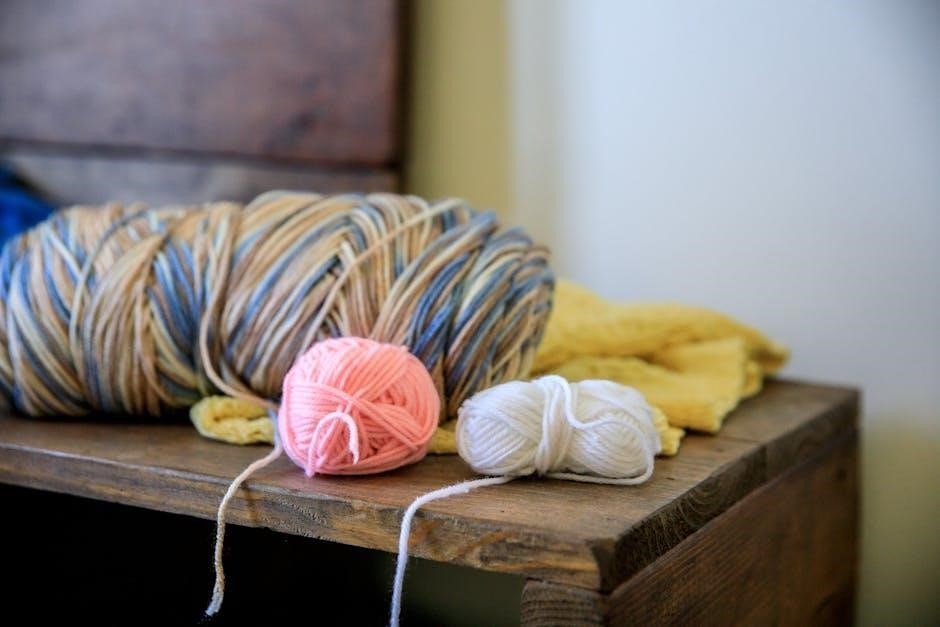
Welcome to the ultimate resource for all things yarn! This guide unravels the world of fibers, weights, and constructions,
empowering your crafting journey.
Yarn, at its core, is a long continuous length of interlocked fibers, material in a form suitable for knitting, crocheting, weaving, or embroidery.
Essentially, it’s the building block of countless textile projects. But yarn isn’t just made; it’s created through a fascinating process. Fibers – which can be natural, like wool or cotton, or synthetic, like acrylic – are twisted together to form a cohesive strand.
This twisting process is crucial, providing the yarn with strength, durability, and the ability to hold its shape. The length of the fibers, the type of twist, and the number of plies (individual strands twisted together) all contribute to the yarn’s final characteristics.
From chunky blankets to delicate lace shawls, yarn’s versatility is truly remarkable, making it a beloved medium for crafters of all skill levels.
Often confused, yarn and thread serve distinct purposes in the textile world. While both are composed of fibers, their construction and intended use differ significantly.
Yarn is generally thicker and softer, designed for projects like knitting, crochet, and weaving where warmth and texture are desired. It’s built for creating larger fabric structures. Thread, conversely, is much finer and stronger, specifically engineered for sewing and holding fabrics together.
Think of it this way: yarn creates the fabric, while thread assembles it. Thread typically has a tighter twist and a smoother finish to minimize friction during sewing. Yarn often has a loftier, more textured feel. The materials used can overlap – cotton can be made into both – but the processing determines the final product’s classification.
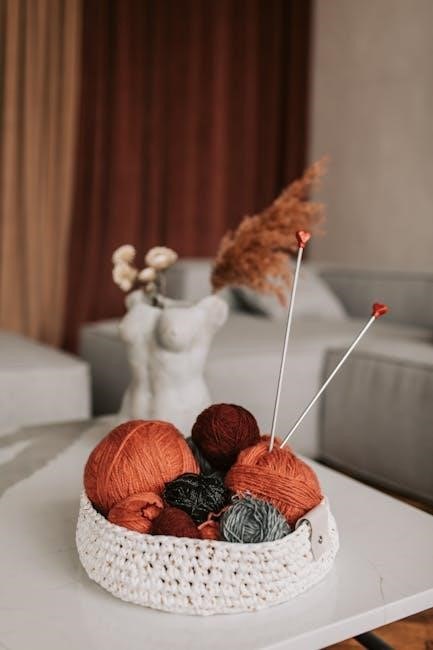
Yarn fibers fall into three main categories: natural (from plants or animals), and synthetic (man-made), each offering unique properties and project suitability.
Animal fibers are renowned for their warmth, softness, and luxurious feel. These fibers are sourced from various creatures, each contributing distinct characteristics to the resulting yarn. Wool, perhaps the most well-known, comes primarily from sheep, but can also be gathered from alpacas, llamas, and even goats (like cashmere and mohair).
The crimp in wool fibers creates air pockets, providing excellent insulation. Animal fibers generally possess good elasticity, allowing garments to retain their shape. However, some, like angora, can be delicate and require gentle handling.
Beyond sheep, alpaca offers a silky softness and hypoallergenic qualities, while cashmere is prized for its exceptional fineness and warmth. Mohair, from Angora goats, provides a lustrous sheen and strength. Choosing animal fibers often means considering the animal’s welfare and sustainable sourcing practices.
Wool is a staple fiber, celebrated for its incredible versatility and comforting qualities. Derived primarily from sheep, wool boasts natural crimp, creating excellent insulation through trapped air. This makes it ideal for warm garments like sweaters, socks, and blankets, providing exceptional warmth even when wet.
Wool’s elasticity allows knitted fabrics to stretch and recover their shape, enhancing durability. Different breeds of sheep yield varying wool qualities – Merino is known for its fineness and softness, while Shetland produces a more rustic, hardy yarn.
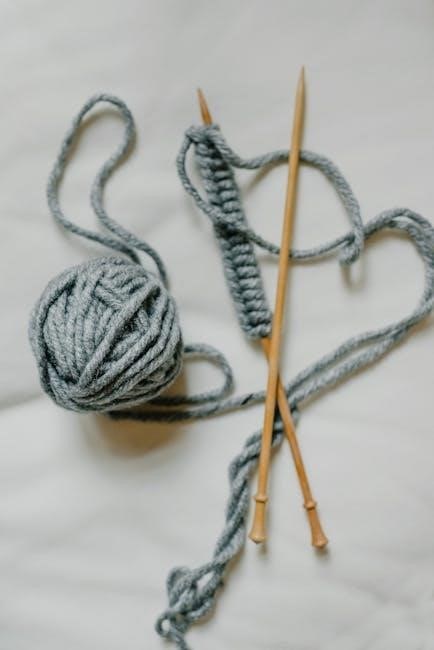
Wool is also naturally flame-resistant and can absorb moisture without feeling damp. It’s used extensively in outerwear, home décor, and even felt-making. However, some individuals may experience sensitivity to lanolin, a natural wax found in wool, requiring superwash treatments or alternative fibers.
Silk, often dubbed the “Queen of Fibers,” is renowned for its luxurious sheen, smooth texture, and remarkable strength. Produced by silkworms, primarily the Bombyx mori, silk fibers are continuous filaments composed of protein. This unique structure contributes to silk’s exceptional drape and luster, making it highly sought after for elegant garments and accessories.
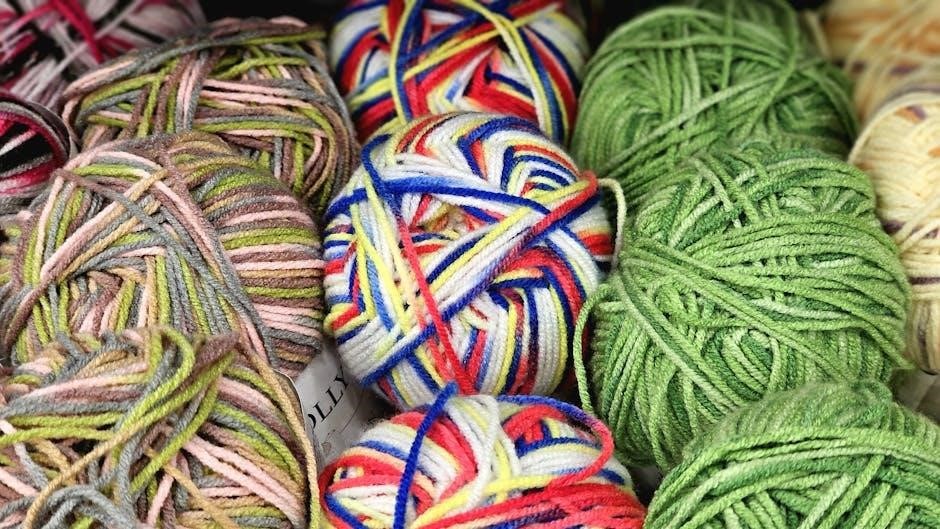
Despite its delicate appearance, silk possesses impressive tensile strength, rivaling that of steel on a weight-for-weight basis. It’s naturally hypoallergenic and breathable, offering comfort in various climates. Silk’s protein composition also allows it to accept dyes beautifully, resulting in vibrant, long-lasting colors.
Commonly used in scarves, blouses, and evening wear, silk also finds application in home textiles. While more expensive than many other fibers, its beauty and durability make it a worthwhile investment for special projects.
Plant-based fibers offer a diverse range of textures and properties, making them staples in the yarn world. These sustainable options are derived from various plant sources, providing alternatives to animal fibers. Historically, plant fibers were among the first materials used for textile production, showcasing their enduring value.
Unlike animal fibers, plant fibers are composed primarily of cellulose. This impacts their characteristics, often resulting in less elasticity but greater strength when wet. Common plant fibers include cotton, linen, hemp, and bamboo, each possessing unique qualities suited for different projects.
Plant fibers are generally more affordable and easier to care for than many animal fibers, making them ideal for everyday wear and projects. They are also breathable and absorbent, contributing to comfort in warmer weather.
Cotton is arguably the most widely used natural fiber globally, celebrated for its softness, breathability, and affordability. Derived from the seed pods of cotton plants, it’s a staple in countless textile applications, and yarn is no exception. Its inherent comfort makes it perfect for items worn directly against the skin.
Cotton yarn is incredibly versatile, suitable for a vast array of projects – from lightweight summer tops and baby clothes to durable home décor items like dishcloths and blankets. It’s relatively easy to care for, typically machine washable and dryable, though it can shrink.
However, cotton lacks significant elasticity and can be prone to wrinkling. It also tends to be heavier than other fibers when wet. Mercerized cotton, a chemically treated form, offers increased strength, luster, and dye uptake.
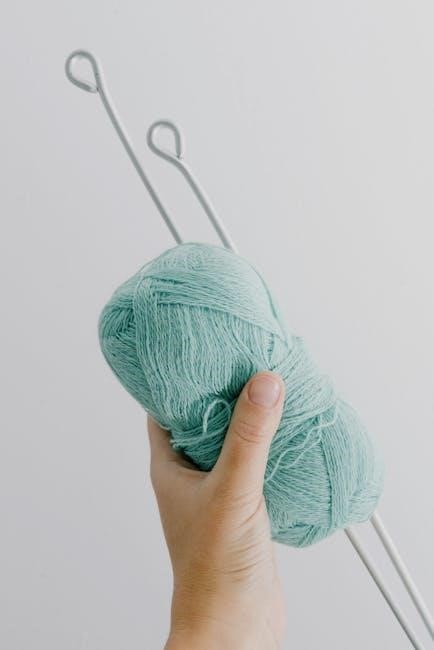
Linen, crafted from the fibers of the flax plant, stands out as one of the oldest textile fibers in human history. Renowned for its exceptional strength and unique texture, linen yarn offers a distinctive aesthetic that’s both rustic and refined. It’s significantly stronger than cotton and becomes softer with each wash.
Linen yarn is ideal for warm-weather garments, home textiles, and projects where durability is key. Think breathable summer dresses, sturdy kitchen towels, or even robust bags; Its natural slubby texture adds visual interest, though it can sometimes be challenging to work with due to its lack of elasticity.
Linen does wrinkle easily, which is often considered part of its charm. It also requires careful washing to prevent shrinkage and maintain its quality. The fiber’s inherent coolness makes it a superb choice for hot climates.
Synthetic yarns revolutionized the crafting world, offering affordability, durability, and a wide range of characteristics not always found in natural fibers. Created through chemical processes, these yarns provide alternatives for various projects and budgets. They often mimic the look and feel of natural fibers, but with enhanced properties like resistance to moths or mildew.
While sometimes criticized for lacking the “breathability” of natural fibers, synthetic yarns excel in specific applications. They are frequently used in items requiring frequent washing, like baby clothes, or projects needing exceptional colorfastness. Common synthetic options include acrylic, polyester, and nylon, each possessing unique qualities.
The development of synthetic fibers broadened accessibility to yarn crafts, making them available to a wider audience. They continue to evolve with innovations in fiber technology.
Acrylic yarn is a staple for crafters seeking a budget-friendly and easy-care option. As a synthetic fiber derived from acrylonitrile, it’s known for its exceptional softness and wide availability in a dazzling spectrum of colors. One of its biggest advantages is its machine washability and resistance to shrinking, making it ideal for items frequently laundered, like blankets and children’s clothing.
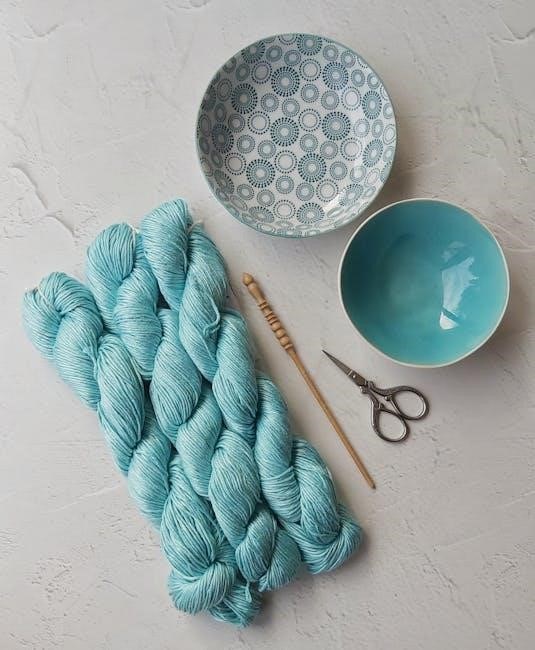
While not as breathable as natural fibers, acrylic offers excellent drape and is relatively lightweight. It’s a popular choice for beginners due to its forgiving nature and consistent stitch definition. However, acrylic can sometimes pill with wear and may not possess the same luxurious feel as wool or silk.
Despite these minor drawbacks, acrylic remains a versatile and practical yarn choice for countless projects.
Polyester yarn stands out for its incredible durability and vibrant, long-lasting color. A synthetic fiber celebrated for its strength, it resists stretching and shrinking, making it perfect for projects needing to withstand frequent use and washing. Unlike some other synthetics, polyester boasts exceptional colorfastness, meaning colors remain bright and true even after repeated exposure to sunlight and laundering.
Often blended with other fibers, polyester enhances their performance, adding resilience and reducing wrinkling. It’s commonly found in yarns designed for outdoor use, as it’s resistant to mildew and abrasion. While not as soft as natural fibers, modern polyester yarns are increasingly engineered for improved texture and comfort.
Polyester is a reliable and practical choice for a wide range of crafting endeavors.
Understanding yarn weight and how it’s constructed is crucial for achieving the desired drape, texture, and overall look of your finished project.
Yarn weights are standardized to help crafters choose the right yarn for a pattern and understand how much yarn is needed. The Craft Yarn Council provides a helpful system, categorizing yarns from 0 to 7.
These categories aren’t just about thickness; they influence the fabric’s drape, stitch definition, and the overall feel of the finished item. Knowing these weights allows for successful yarn substitutions too!
Generally, lower numbers indicate finer yarns, best for delicate projects, while higher numbers signify thicker yarns, ideal for quick, bulky creations. Each weight has a recommended needle/hook size, contributing to consistent gauge. Exploring these categories unlocks a world of creative possibilities, ensuring your projects turn out exactly as envisioned.
Consider the project’s intended use when selecting a weight – a lightweight shawl versus a warm winter sweater will require vastly different yarn choices.
Lace weight yarn, also known as cobweb or thread, is the finest yarn category (weight 0). It’s incredibly delicate and creates fabrics with beautiful drape and intricate detail. Typically spun from fibers like silk, mohair, or fine merino wool, it’s perfect for projects where a sheer, airy texture is desired.
Needle sizes range from US 000 to 1 (1.5mm ─ 2.25mm), and crochet hooks around the same size are used. Due to its fineness, lace weight yarn takes a considerable amount of time to work with, but the results are stunning.
Common projects include shawls, doilies, delicate edgings, and lightweight summer tops. Be mindful of stitch definition; simpler stitch patterns often showcase the yarn’s beauty best. It’s not ideal for beginners due to the difficulty in handling and seeing stitches.
Fingering weight yarn, often called sock yarn (weight 1), is a versatile and popular choice for knitters and crocheters. As the name suggests, it’s traditionally used for socks, offering excellent stitch definition and durability. However, its uses extend far beyond footwear!
Typically worked with US 1-3 (2.25mm ⸺ 3.25mm) needles and similar sized crochet hooks, it creates lightweight fabrics perfect for shawls, scarves, baby clothes, and delicate sweaters. Common fiber contents include merino wool, cashmere blends, and nylon for added strength.
The yarn’s relatively fine gauge allows for intricate patterns and beautiful drape. It’s a good choice for beginner to intermediate crafters, offering a balance between ease of handling and project complexity. Expect projects to take longer than with heavier weight yarns.
Yarn construction refers to how the individual fibers are twisted together to create the yarn strand. This process significantly impacts the yarn’s texture, strength, and overall appearance. Understanding construction helps you choose the right yarn for your project’s needs.
The primary method involves ply – the number of strands twisted together. Single-ply yarns are softer but less durable, while multi-ply yarns (2-ply, 3-ply, etc.) offer increased strength and resilience. Beyond ply, spin defines the fiber arrangement.
Worsted spun yarns are smooth and strong, ideal for structured garments. Woolen spun yarns are loftier and fuzzier, creating warmer, softer fabrics. Semi-worsted offers a balance between the two. The spinning method influences the yarn’s halo, drape, and stitch definition.
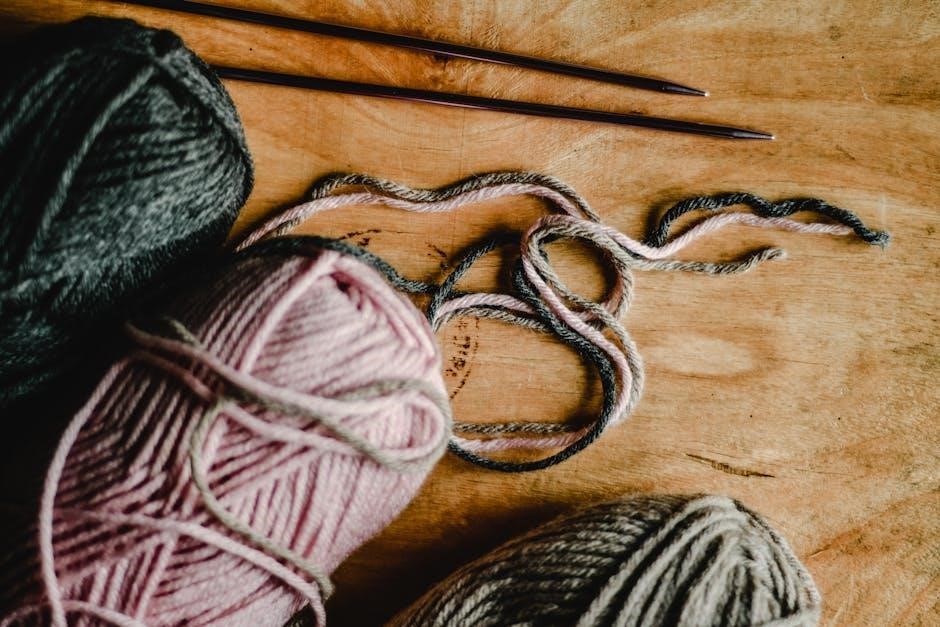
Ply refers to the number of individual strands twisted together to form a yarn. A single-ply yarn consists of just one strand, resulting in a softer, often fuzzier texture. These yarns showcase excellent stitch definition but can be less durable and prone to pilling.
Two-ply yarns, created by twisting two strands together, are a common choice, offering a good balance of softness and strength. They are more resilient than single-ply and hold their shape well. Increasing the ply – to three-ply, four-ply, or more – further enhances durability and creates a denser, more substantial yarn.
Higher-ply yarns are excellent for projects needing longevity, like rugs or outerwear. The ply affects the yarn’s roundness and how it behaves during knitting or crochet, influencing the fabric’s texture and drape.
Spin describes how the fibers are twisted together, significantly impacting the yarn’s characteristics. Worsted spin creates a smooth, strong, and tightly twisted yarn. Fibers are combed to align them before spinning, resulting in a durable, even fabric with excellent stitch definition – ideal for garments.
Woolen spin, conversely, uses fibers that are carded, leaving them somewhat disorganized before twisting. This produces a loftier, softer, and warmer yarn, but with less stitch definition. It’s perfect for cozy blankets and sweaters where warmth is paramount.
Semi-worsted spin falls between the two, offering a balance of smoothness, strength, and softness. It’s a versatile option suitable for a wide range of projects, providing good drape and a pleasant texture. The spin influences the yarn’s halo and overall feel.
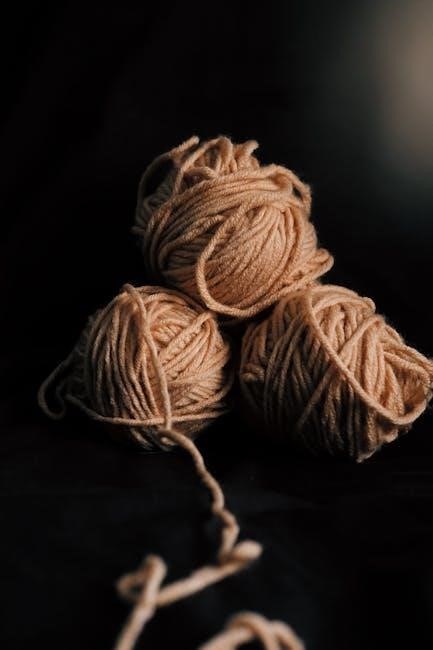
Selecting yarn is crucial! Consider the project’s purpose, desired drape, and your personal preferences for texture and overall aesthetic appeal.
Fiber choice dramatically impacts a project’s suitability for different climates and seasons. For warm weather, breathable fibers like cotton and linen are excellent choices, offering coolness and comfort. Conversely, colder climates call for the warmth of wool, acrylic, or blended yarns.
Wool, particularly, provides exceptional insulation, even when wet. Silk, while luxurious, offers moderate warmth and a beautiful drape. Acrylic is a budget-friendly option that retains warmth well, but may not be as breathable. Consider the garment’s intended use; a summer top demands different properties than a winter sweater.
Furthermore, think about moisture management. Some fibers absorb moisture readily (like cotton), while others repel it (like polyester). This impacts comfort, especially for items worn close to the skin. Understanding these nuances ensures your finished project is both beautiful and practical for its intended environment.
Gauge, measured in stitches and rows per inch (or centimeter), is crucial for achieving the correct size in your finished project. It represents how tightly or loosely you knit or crochet with a specific yarn and needle/hook size. Variations in gauge significantly alter the final dimensions.
Tension refers to the consistency of your stitches. Maintaining even tension is vital for a neat and professional-looking result. Too tight a tension creates dense fabric, while too loose a tension results in a floppy, uneven texture.
Patterns provide a target gauge; matching this gauge ensures your project will match the pattern’s intended size. If your gauge differs, adjustments to needle/hook size are necessary. Failing to adjust can lead to garments that are too large or too small.
Creating a swatch – a small sample of your project – is arguably the most important step before beginning any substantial knitting or crochet work. It allows you to determine your gauge with the chosen yarn and needles/hook, verifying it matches the pattern’s requirements.
Don’t skip this step! A swatch reveals how the yarn behaves, its drape, and any potential issues with the stitch pattern. Block your swatch as you intend to block the finished project; blocking can dramatically alter gauge.
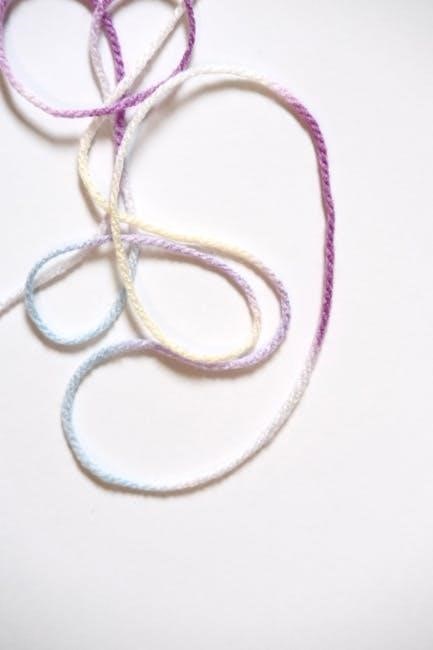
Measure your swatch accurately, counting stitches and rows within a defined area (usually 4×4 inches). If your gauge doesn’t match, adjust your needle/hook size and create another swatch until you achieve the correct gauge. Swatching saves time and yarn in the long run, preventing costly mistakes!