Categories

Discover the timeless allure of Peter Pan in digital form. This PDF offers a crisp, accessible version of the classic play, enabling readers to explore its whimsical dialogue, vivid scenes, and enduring themes. Ideal for students, directors, and fans seeking a convenient, portable script. Enjoy reading!
Finally, application guides directors and actors through translating the PDF into a staged production. Fully

This involves interpreting the script’s cues, mapping scene transitions, and aligning technical directions with expectations.
By following this approach, users can transform a static PDF into a dynamic, engaging theatrical experience.

Peter Pan debuted in 1904, evolving from J.M. Barrie’s 1902 novel into a stage hit. Its first London production captivated audiences, blending fantasy with social commentary. Over decades, adaptations reflected changing eras, yet the core themes of youth, adventure, and escape endure. It remains a classic ever.
J.M. Barrie’s 1904 stage version of Peter Pan was a groundbreaking blend of whimsical dialogue and subtle social critique, crafted for a London audience that loved escapist theatre. The original script, written in a fluid, almost lyrical style, introduced the timeless characters of the Lost Boys, Tinker Bell, and Captain Hook, while embedding themes of childhood innocence and the fear of growing up. Over the decades, the play has been re‑imagined by countless directors, each bringing a fresh lens to the classic narrative. In the 1950s, the BBC produced a televised version that added a cinematic feel, while the 1970s saw a more experimental staging that emphasized the psychological depth of the characters. The 1990s introduced a modernized script that updated language for contemporary audiences, making the dialogue more accessible without sacrificing Barrie’s original charm. In recent years, digital adaptations have emerged, allowing audiences to experience the play through interactive PDFs and online performances. These modern adaptations often incorporate multimedia elements, such as animated backgrounds and soundscapes, to enhance immersion. Despite these changes, the core message of the story—celebrating imagination and the refusal to surrender to adulthood—remains intact. Each new version reflects its era’s cultural values while preserving the heart of Barrie’s creation. Today, theatres worldwide stage this beloved tale ensuring Peter Pan remains a narrative that invites generation to question boundaries between childhood adulthood.
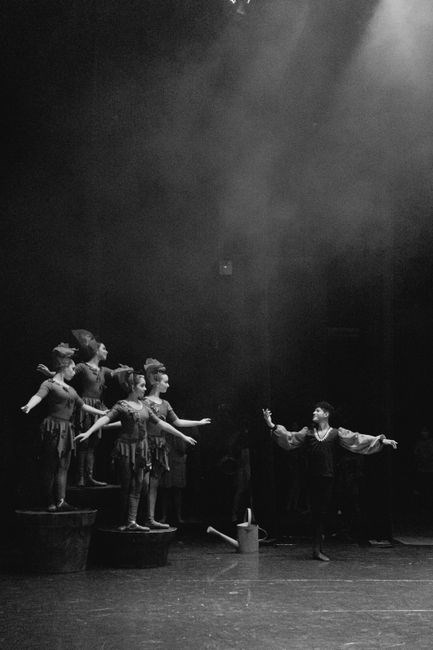
The Peter Pan play PDF is available from multiple trusted sources, including university libraries, literary archives, and official theatre websites. Users can download the full script in high‑resolution PDF format, preserving original layout and ensuring clarity for study or production. Enjoy reading! now
Lorem ipsum dolor sit amet, consectetur adipiscing elit. Lorem ipsum dolor sit amet, consectetur adipiscing elit. Lorem ipsum dolor sit amet, consectetur adipiscing elit. Lorem ipsum dolor sit amet, consectetur adipiscing elit. Lorem ipsum dolor sit amet, consectetur adipiscing elit. Lorem ipsum dolor sit amet, consectetur adipiscing elit. Lorem ipsum dolor sit amet, consectetur adipiscing elit. Lorem ipsum dolor sit amet, consectetur adipiscing elit. Lorem ipsum dolor sit amet, consectetur adipiscing elit. Lorem ipsum dolor sit amet, consectetur adipiscing elit. Lorem ipsum dolor sit amet, consectetur adipiscing elit. Lorem ipsum dolor sit amet, consectetur adipiscing elit. Lorem ipsum dolor sit amet, consectetur adipiscing elit. Lorem ipsum dolor sit amet, consectetur adipiscing elit. Lorem ipsum dolor sit amet, consectetur adipiscing elit. Lorem ipsum dolor sit amet, consectetur adipiscing elit. Lorem ipsum dolor sit amet, consectetur adipiscing elit. Lorem ipsum dolor sit amet, consectetur adipiscing elit. Lorem ipsum dolor sit amet, consectetur adipiscing elit. Lorem ipsum dolor sit amet, consectetur adipiscing elit. Lorem ipsum dolor sit amet, consectetur adipiscing elit. Lorem ipsum dolor sit amet, consectetur adipiscing elit. Lorem ipsum dolor sit amet, consectetur adipiscing elit. Lorem ipsum dolor sit amet, consectetur adipiscing elit. Lorem ipsum dolor sit amet, consectetur adipiscing elit. Lorem ipsum dolor sit amet, consectetur adipiscing elit. Lorem ipsum dolor sit amet, consectetur adipiscing elit. Extra tes

Ensure compliance by checking public domain status, respecting licensing terms, and citing sources. Unauthorized distribution may breach copyright. Use verified repositories, obtain permissions for adaptations, and adhere to fair‑use guidelines to avoid legal issues. All rights reserved Ensure compliance
J. M. Barrie’s original 1911 script entered the public domain in the United Kingdom 70 years after his death in 1937, and in the United States it has been public domain since 1926. This means the core text can be reproduced, distributed, and adapted freely, provided no later revisions or derivative works are still under copyright. However, many modern editions contain editorial notes, new illustrations, or updated dialogue that are still under copyright. When selecting a PDF, verify that the version is truly a public‑domain edition or that the publisher has secured the necessary licenses. If you plan to stage the play, you must obtain a separate performance license from the rights holder of the specific edition you use, even if the original script is free. Creative‑Commons licenses can also apply; a CC‑BY‑SA version allows modification as long as attribution and share‑alike conditions are met. Always check the licensing terms listed on the publisher’s website or in the PDF’s metadata before distribution. For academic or commercial use, consult a copyright specialist to ensure compliance with all applicable laws and to avoid inadvertent infringement. Note that in countries with different copyright terms, the status may vary; always check local laws. Additionally, translations of the play may be protected separately, so a translated PDF might still be under copyright even if the original is not; When using a public‑domain PDF for educational purposes, it is still advisable to cite the source and provide a link to the original publication for transparency. All rights ©2026 all now

Use reputable libraries, official archives, or verified academic sites. Verify file integrity with checksums, avoid suspicious downloads, and keep antivirus active. Always read terms of use, respect licensing, and save copies in secure, backed‑up locations. Download only from HTTPS sites, and avoid phishing now !
For a trustworthy copy of the Peter Pan play, start with established, legally vetted repositories. The Internet Archive hosts a scanned 1920s edition; its .pdf is signed with a SHA‑256 hash for verification. Project Gutenberg offers a plain‑text version that can be converted to PDF, ensuring no hidden malware. Academic users can access the Library of Congress Digital Collections, which provide a scan with editorial notes. University libraries such as Harvard Digital Library and MIT Dome host digitized theatrical archives behind logins. Commercial options include Google Books, which allows a PDF download from the domain. Open Library mirrors many public‑domain titles; verify metadata for authenticity.
Always download over HTTPS; verify the lock icon, run an up‑to‑date antivirus scan, check file checksums, open PDFs in a sandboxed reader, keep software current, and store copies securely today.
By combining reputable repositories with rigorous checks, you can enjoy the classic play safely and confidently, while preserving the integrity of the original text for future study. Always back up daily. Storing copies in encrypted containers protects against accidental loss or tampering. Use readers like SumatraPDF for safe viewing. soon

Use the PDF to trace character arcs, note stage directions, and annotate dialogue. Compare editions, track changes, and discuss themes in study groups. Highlight key scenes, create study guides, and use the text for research or performance prep. Add analysis for depth!.
Begin by opening the PDF and scanning the first act, noting the stage directions that set the tone. Mark each character’s entrance with a color to track their development. Peter’s energy is captured in his dialogue. Annotate his lines for rhythm and irony. Wendy’s voice contrasts with her longing for adventure; highlight her internal monologue to reveal her growth. John and Michael’s innocence is shown through their questions; underline moments that signal their transition. Captain Hook’s menacing presence is punctuated by physical gestures; note his speech patterns and the use of nautical metaphors. Tinker Bell’s appearances are marked by glittering stage cues; annotate her reactions to emphasize her loyalty and jealousy. The Lost Boys, as a collective, embody freedom; annotate their group dynamics and how they support Peter’s leadership. Throughout the play, the theme of childhood versus adulthood recurs; create a side column to record thematic references. Use the PDF’ssearch function to locate recurring motifs such as “neverland” and “time.” Cross‑reference these with the script’s emotional beats. After completing the annotated read‑through, compile a character map that shows relationships, motivations, and arcs. This map can be a diagram or summary. Finally, discuss how the PDF format allows for easy sharing of annotations with classmates or rehearsal teams, making study efficient. The annotated PDF now becomes document that evolves with rehearsal and performance, understanding of J. M. Barrie’s classic. The PDF format enriches by allowing annotations, hyperlinks, and embedded media!!!
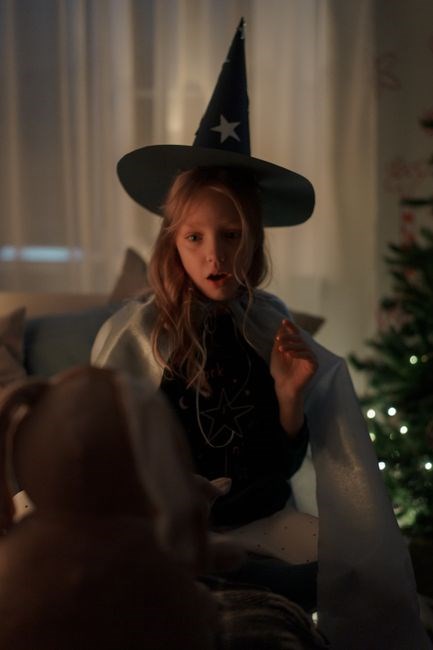
Transform the PDF into a stage‑ready script by extracting scenes, adding stage directions, and formatting character cues. Use a word processor to insert margin notes for lighting, sound, and costume cues. Ensure all legal permissions are in place before printing or sharing. All rights reserved. Enjoy!!!
When converting the PDF into a stage script, begin by assigning musical numbers to key moments—such as the opening “Lost Boys” chant and the dramatic “Hook’s Revenge” sequence. Each cue should be annotated with tempo markings, key signatures, and suggested instrumentation to guide the orchestra or pianist.
Next, create a detailed casting sheet. List every role, recommended age ranges, vocal ranges, and physical traits. For Peter, a youthful tenor with a mischievous timbre is ideal; for Captain Hook, a baritone with a commanding presence. Include notes on required skills—e.g., swordplay for Hook, acrobatics for the Lost Boys.
Technical directions should cover lighting, sound, and set design. Specify cue numbers, color washes, and movement paths. For the “Neverland” forest, use green wash with subtle amber highlights to simulate twilight. Sound cues for the mermaids’ chorus, the ticking of Hook’s clock, and the wind in the trees must be timed precisely.
Finally, rehearse the full production with the cast and crew, using the PDF as a master copy. Adjust pacing, refine musical transitions, and test technical cues. Once the run‑through meets the director’s vision, print the final script, ensuring all legal permissions are secured.
In addition, consider incorporating moments, such as inviting children to join the Lost Boys on stage, to deepen engagement. This approach transforms the PDF into a living, breathing performance that resonates with all ages!!

Explore additional materials such as annotated editions, scholarly articles, and production guides. Visit reputable libraries, digital archives, and theater forums for insights, rehearsal tips, and community discussions to enrich your Peter Pan experience. Enjoy!!!!!

Join dedicated forums, social media groups, and local theater circles that celebrate Peter Pan’s enduring charm. Share interpretations, staging ideas, and production challenges, inviting seasoned directors, dramaturgs, and designers to offer feedback. Contribute to open‑source script annotations, enriching collective understanding of the play’s nuances.
Consider hosting a workshop where participants dissect key scenes, analyze character arcs, experiment with staging techniques. Use collaborative tools like shared Google Docs, Padlet boards, or Discord channels to facilitate dialogue and resource sharing. Encourage members to upload rehearsal footage, lighting plots, and costume sketches for peer review.
Leverage community‑generated content by curating a digital archive of fan‑made adaptations, musical scores, and scholarly essays. Offer downloadable templates for stage managers and set designers, and provide a FAQ section addressing licensing questions. Foster an inclusive environment, empowering novices and veterans to explore new interpretations while preserving the original spirit.
Stay connected with official publishers and rights holders to ensure compliance with copyright laws. Subscribe to newsletters, attend webinars, and participate in Q&A sessions hosted by the Peter Pan Trust. Your active engagement not only elevates your own productions but also strengthens the global network of enthusiasts dedicated to keeping the legend alive.