Categories
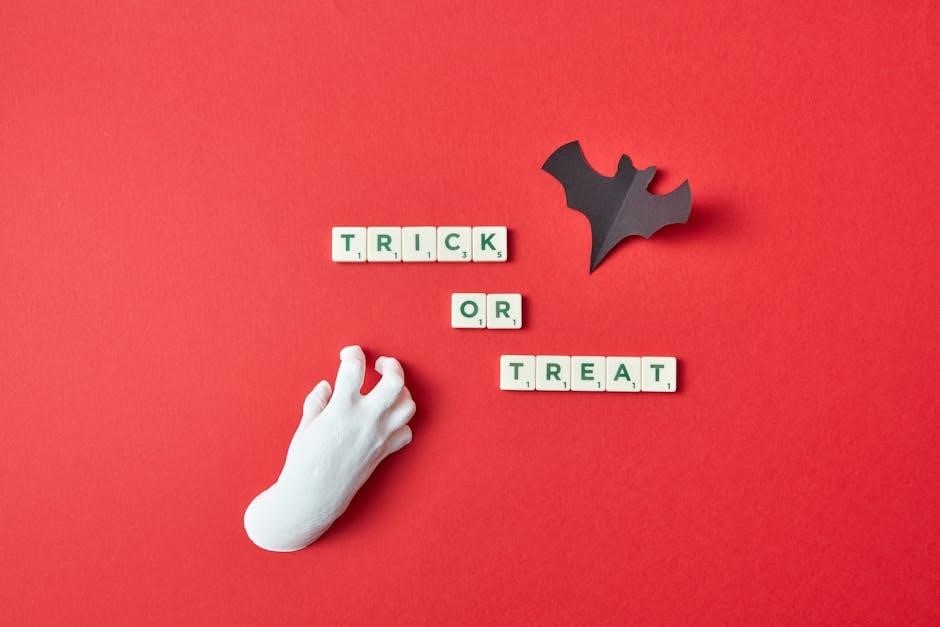
The New York Times Crossword frequently features culturally relevant clues, and this one taps into a beloved Halloween tradition. It tests solvers’ knowledge of common phrases associated with this festive occasion.
The roots of Halloween, and consequently trick-or-treating greetings, lie in ancient Celtic festivals like Samhain. Originally, people believed spirits roamed freely, and offerings were left to appease them. Over time, this evolved into “souling,” where poor people would go door-to-door offering prayers for the dead in exchange for food.
The phrase “trick or treat” itself is a relatively recent development, appearing in American literature by the 1930s. It solidified during the post-World War II baby boom, becoming a standardized greeting as suburban trick-or-treating became widespread. Before this, regional variations and informal requests were common. The modern iteration reflects a playful negotiation – a treat prevents a mischievous “trick.” This shift demonstrates a cultural move from appeasing spirits to a lighthearted community event.
Post-war America saw a surge in suburban development and a corresponding rise in organized trick-or-treating. This created a need for a universally understood greeting. While earlier forms existed, “Trick or Treat” gained prominence through media influence – radio, television, and eventually, popular culture depictions of Halloween.
The phrase’s simplicity and clear intent contributed to its rapid adoption. It offered a concise way for children to participate in the ritual and for homeowners to understand the expectation. Standardization also fostered a sense of safety and predictability, crucial for a community-based activity. Variations, though present regionally, gradually yielded to the dominant “Trick or Treat,” becoming the expected phrase across much of the United States and beyond, solidifying its place in Halloween tradition.

The NYT clue invites solvers to recall the quintessential phrase uttered by costumed children. Expect straightforward answers, but be mindful of potential playful wording twists.
“Trick or Treat” stands as the most iconic and universally recognized response expected by homeowners during Halloween. This phrase encapsulates the playful negotiation at the heart of the tradition – a request for a treat, with the implied threat of a harmless “trick” if none is offered.
Its simplicity and long-standing cultural presence make it a prime candidate for a crossword clue. The NYT crossword often favors well-known expressions, and this one is deeply embedded in American (and increasingly, global) Halloween celebrations. Solvers familiar with the holiday’s customs will likely arrive at this answer quickly. The phrase’s consistent form over decades further solidifies its status as the most probable solution.
However, the crossword’s challenge lies in potentially misleading wording, so consider variations, but “Trick or Treat” remains the core expectation.
While “Trick or Treat” dominates, subtle regional variations exist in how children solicit candy. These nuances, though less common, could be considered during crossword solving if the clue is intentionally deceptive. Some areas historically favored phrases like “Give me something good to eat!” or simply “Treat!”
These alternatives, while less widespread, demonstrate the evolving nature of oral traditions. The NYT crossword occasionally tests knowledge of these localized customs, adding a layer of complexity. However, the puzzle generally leans towards the most broadly recognized answer.

Understanding these regional differences can be helpful, but solvers should prioritize the standard phrase. The crossword’s intent is usually to assess familiarity with the dominant cultural practice, not obscure local dialects. Considering these variations expands your thinking, but don’t overcomplicate it!
Beyond the standard “Trick or Treat,” children have historically employed a delightful array of alternative greetings. Phrases like “Smell my feet!” (followed by a request for treats) or “Halloween is here!” were once common, showcasing playful creativity. Some children opted for rhyming couplets or simply a polite “Please, candy?”
These variations, though less prevalent today, represent a fascinating aspect of Halloween’s evolving folklore. The NYT crossword, known for its clever misdirection, might allude to these lesser-known phrases. However, the puzzle typically favors the most iconic and widely recognized response.
Solvers should be aware of these alternatives, but prioritize the classic “Trick or Treat” as the most likely solution. Recognizing these options demonstrates a broader understanding of the tradition, but don’t let them lead you astray!

The NYT Crossword prioritizes brevity and precision in its clues and answers, often favoring succinct phrasing. Expect a concise solution reflecting this editorial style.
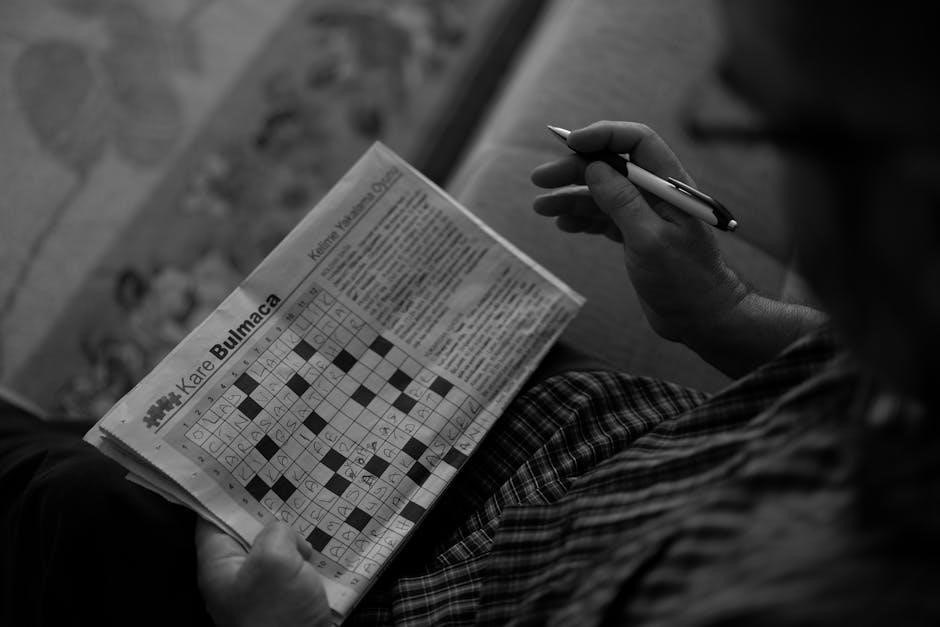
The New York Times Crossword is renowned for its elegant efficiency, and this extends to its answer length. Solvers should anticipate a short, impactful word or phrase rather than a lengthy expression. This preference stems from the grid’s interlocking design, demanding answers that fit seamlessly within limited spaces.
Clues are often crafted to subtly guide towards these concise solutions. Misdirection might be employed, leading you down a path of longer possibilities before revealing the true, economical answer. For a clue like “Instruction to Trick-or-Treaters,” a multi-word response is less likely than a single, well-known phrase. The puzzle’s construction necessitates answers that maximize interlocking opportunities, favoring shorter words with common letters.
Therefore, when tackling this clue, prioritize brainstorming brief, commonly used greetings associated with Halloween.
NYT Crossword constructors are masters of deception, employing various techniques to challenge solvers. With a clue like “Instruction to Trick-or-Treaters,” expect subtle misdirection. The puzzle might focus on the act of requesting treats rather than the specific phrase uttered. Consider synonyms for “request” or words relating to Halloween customs beyond the standard greeting.
Another common tactic is using a less common definition of a word. The clue could allude to a historical origin of trick-or-treating or a regional variation in the greeting. Be wary of answers that almost fit but don’t quite satisfy all the crossing letters.
The puzzle may also play on your assumptions about Halloween. Don’t immediately jump to the most obvious answer; explore alternative interpretations before committing to a solution. A fresh perspective is often key to unlocking these cleverly disguised clues.
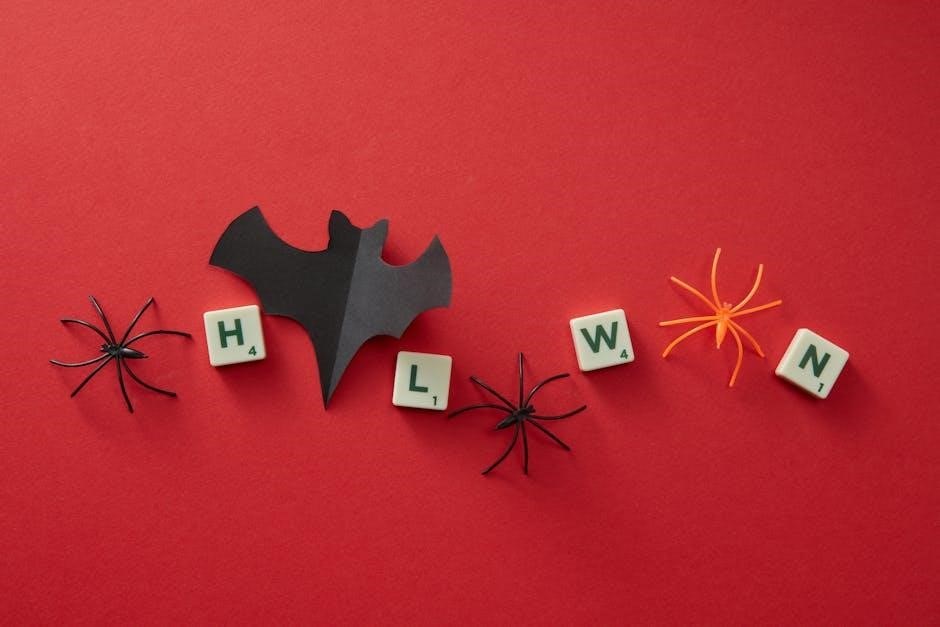
The answer to the “Instruction to Trick-or-Treaters” clue is typically “TRICKORTREAT”. This classic phrase, a staple of Halloween, fits neatly into crossword grids.
The definitive solution to the New York Times Crossword clue, “Instruction to Trick-or-Treaters,” is undeniably “TRICKORTREAT”. This phrase represents the quintessential greeting children offer while participating in the Halloween tradition of going door-to-door. Its historical roots lie in the ancient practices of souling and guising, evolving over centuries into the modern custom we recognize today.
The phrase itself functions as a conditional statement: an offer of a “treat” in exchange for avoiding a “trick”. This playful negotiation embodies the spirit of Halloween, blending elements of fun, anticipation, and a touch of mischievousness. The NYT Crossword often favors straightforward, widely-recognized answers, making “TRICKORTREAT” a logical and satisfying fit for this particular clue.
Furthermore, the combined word format is crucial; separate words wouldn’t satisfy the clue’s intent. It’s a cultural touchstone, instantly recognizable and universally understood within English-speaking communities.
The answer, “TRICKORTREAT”, comprises twelve letters – a length frequently encountered in New York Times Crossword puzzles. This count allows for versatile placement within the grid, intersecting with a variety of other answers. The puzzle constructors strategically utilize letter combinations that offer numerous possibilities for interlocking words, enhancing the overall challenge and complexity.
The arrangement of vowels and consonants in “TRICKORTREAT” is also advantageous. It contains a balanced mix, facilitating connections with commonly used letters in the English language. This characteristic increases the likelihood of seamless integration into the crossword’s framework.
Considering the NYT Crossword’s design principles, a twelve-letter answer is neither exceptionally long nor unusually short, making it a practical and well-suited solution for this specific clue and grid configuration.

Previous puzzles have explored Halloween vocabulary with clues referencing costumes, candies, or spooky themes, often testing knowledge of associated traditions and phrases.
The NYT Crossword has a history of incorporating Halloween-related clues beyond just the standard greeting. For instance, clues like “Pumpkin carving tool” (ANSWER: KNIFE) or “Costume accessory” (ANSWER: WIG) appear frequently. More challenging clues might involve obscure Halloween folklore, such as “Samhain symbol” (ANSWER: BONFIRE), referencing the Celtic origins of the holiday.
Other examples include “Candy container” (ANSWER: BAG), “Spooky sound” (ANSWER: MOAN), and “October birthstone” (ANSWER: OPAL). Clues often play on double meanings or require solvers to think creatively about Halloween imagery. The puzzle frequently utilizes wordplay related to ghosts, goblins, and other supernatural elements, testing both vocabulary and lateral thinking skills. These clues demonstrate the breadth of Halloween-related knowledge tested in the NYT Crossword.
NYT Crossword puzzles exhibit recurring patterns in their Halloween vocabulary. Short, common words associated with the holiday – like “BOO,” “GHOST,” “MASK,” and “CANDY” – are frequently used as answers, often in easy to medium difficulty puzzles. The crossword leans towards concrete nouns rather than abstract concepts related to Halloween.
There’s a tendency to utilize words with multiple meanings, allowing for clever misdirection. For example, “TRICK” can refer to a prank or a deceptive tactic. Clues often focus on traditional Halloween symbols and activities, avoiding overly modern or niche references. The puzzle also demonstrates a preference for words that easily intersect with other common crossword entries, maximizing grid fill efficiency. This consistent approach creates a recognizable Halloween “feel” within the NYT Crossword.
Numerous online tools assist solvers, including crossword dictionaries and solvers. Community forums provide collaborative help and discussions about challenging clues and puzzle strategies.

Several websites specialize in assisting crossword enthusiasts. Crossword Solver websites allow users to input known letters and patterns, generating potential answers. These tools are invaluable when facing a particularly tricky clue like “Instruction to Trick-or-Treaters.”
Dictionary resources, such as OneLook Reverse Dictionary, can help brainstorm possibilities by searching for clues based on definitions. Additionally, dedicated crossword dictionaries compile a vast database of words frequently used in puzzles, categorized by length and commonality. These resources often include historical crossword appearances, revealing how clues have been phrased in the past.
NYT-specific solvers are also available, focusing on the unique style and vocabulary favored by the New York Times crossword editors. Utilizing a combination of these tools significantly increases the chances of successfully completing the puzzle.
Engaging with fellow crossword solvers can be incredibly beneficial, especially when stumped by a clue like “Instruction to Trick-or-Treaters.” Online forums, such as Reddit’s r/crossword, provide platforms for discussing puzzles, sharing strategies, and seeking assistance.
Dedicated NYT Crossword communities offer focused discussions, often dissecting specific clues and their potential solutions. Experienced solvers frequently share insights into the puzzle’s construction and the editor’s preferences. These discussions can reveal common trickery or alternative interpretations of the clue.
Collaborative problem-solving is a key feature of these forums, allowing users to bounce ideas off each other and collectively arrive at the correct answer. Participating in these communities enhances the overall crossword-solving experience.
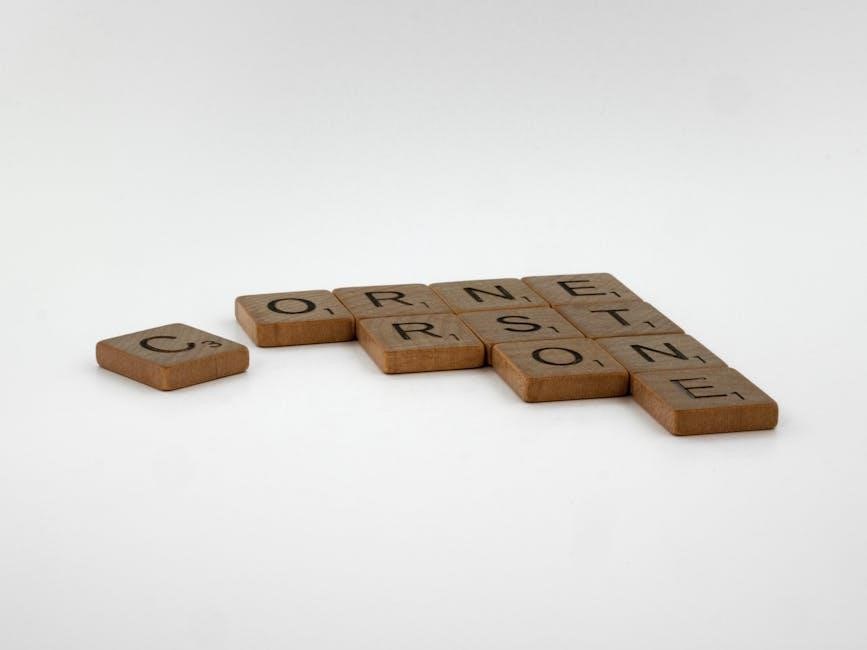
“Trick or Treat” embodies Halloween’s playful spirit, evolving from ancient customs to a modern, cherished tradition deeply ingrained in popular culture and linguistic practices.
The phrase “Trick or Treat” didn’t instantly appear as the standardized greeting we know today. Its roots lie in the medieval practices of “souling” and “guising,” where people would go door-to-door offering prayers for the dead in exchange for food. Over time, these customs morphed, particularly with the influx of Irish and Scottish immigrants to America in the 19th century.
Early American Halloween celebrations were more about public events than door-to-door begging. However, by the 1930s, “Trick or Treat” began gaining traction, fueled by media portrayals and a desire for community-based festivities during the Great Depression. Popular culture, including cartoons and radio shows, helped solidify the phrase and its associated behaviors. The post-World War II boom further cemented its place as a quintessential Halloween activity, becoming a widely recognized and beloved tradition.
Halloween traditions profoundly shape the language surrounding the holiday, and the phrase “Trick or Treat” is a prime example. The implicit threat within the phrase – the “trick” – reflects historical anxieties about mischievous behavior during a liminal time of year. It’s a playful ultimatum, softened by the expectation of a sweet reward.
The very act of going door-to-door necessitates a specific linguistic exchange. Children aren’t simply asking for candy; they’re issuing a conditional statement. This ritualized interaction has fostered a unique vocabulary – “thank you,” “full bag,” and even regional variations in greetings. The consistent use of “Trick or Treat” reinforces its cultural significance, ensuring its continued presence in the lexicon and, predictably, in crossword puzzles as a recognizable cultural touchstone.