Categories

Streamlined broadcasting and enhanced engagement are key with Streamlabs, a platform powering 70% of Twitch streamers. This guide utilizes those principles for building!
The genesis of Lincoln Logs traces back to the early 20th century, a period marked by a burgeoning interest in architectural toys and a desire to instill practical skills in children. Frank Lloyd Wright, a renowned architect, played an indirect, yet pivotal role. His son, John Lloyd Wright, observed the interlocking building systems his father employed in his architectural designs.
This observation sparked the idea for a construction toy that would allow children to replicate the principles of building and design. In 1916, John Lloyd Wright designed the original Lincoln Logs set, aiming to provide a creative and educational play experience. The initial sets were crafted from actual white pine, sourced to mimic the logs used in historic structures.
The toy quickly gained popularity, becoming a staple in American households. Its enduring appeal lies in its simplicity, fostering imagination and problem-solving skills. The 100th Anniversary Tin celebrates this rich history, echoing the original intent of providing a timeless building experience.

The inaugural Lincoln Logs set, released in 1916, represented a significant innovation in children’s construction toys. Unlike many of its contemporaries, it wasn’t based on European models but stemmed from uniquely American architectural principles. The set consisted of 30 precisely milled white pine logs, designed with interlocking notches at each end. These notches allowed for the construction of various structures without the need for nails or glue.
Originally marketed by the Red Square Toy Company, the set also included a small roof piece and a flag. The packaging was simple, yet evocative, featuring a rustic cabin scene. The emphasis was on fostering creativity and spatial reasoning.
Early advertising highlighted the educational value, promoting Lincoln Logs as a tool for developing problem-solving skills and an understanding of basic engineering concepts. This foundational design, emphasizing natural materials and intuitive construction, laid the groundwork for the enduring legacy and the commemorative 100th Anniversary Tin.
John Lloyd Wright, son of the renowned architect Frank Lloyd Wright, was the creative force behind Lincoln Logs. While traveling in Japan in 1916, he observed traditional Japanese wooden building blocks – Kumikiya – which sparked the initial concept. These blocks, like Lincoln Logs, interlocked without fasteners, inspiring Wright to envision a similar toy rooted in American history.
Wright deliberately chose a log cabin design, referencing Abraham Lincoln’s humble beginnings as a symbol of American ingenuity and self-reliance. He believed the toy would encourage children to connect with their nation’s heritage while developing spatial reasoning and construction skills.
The interlocking system wasn’t merely a replication of Kumikiya; Wright refined the design, creating a uniquely American toy. His vision, combined with the toy’s educational potential, ensured Lincoln Logs became a beloved classic, celebrated even in the 100th Anniversary Tin edition.
The Lincoln Logs tin has undergone a fascinating evolution, mirroring shifts in design and marketing trends. Initially, the tins featured rustic, hand-drawn illustrations depicting log cabins and frontier scenes, emphasizing the toy’s historical connection. Early versions often showcased a simple, rectangular shape, prioritizing functionality over elaborate aesthetics.
Over the decades, the tins became more vibrant and detailed, incorporating color photography and increasingly complex imagery. The branding evolved, with different logos and depictions of children playing with the logs. The shape also varied, sometimes adopting more rounded or uniquely contoured forms;
The 100th Anniversary Tin represents a nostalgic return to the classic aesthetic, blending vintage imagery with modern printing techniques. It’s a deliberate nod to the toy’s rich history, packaged for a new generation of builders, echoing the spirit of Streamlabs’ user-friendly design.
Released to commemorate a century of building fun, the 100th Anniversary Tin isn’t merely a repackaging; it’s a celebration of Lincoln Logs’ enduring legacy. This special edition aims to capture the nostalgia of original sets while offering a premium experience for both seasoned collectors and new enthusiasts.
Like Streamlabs’ focus on streamlined broadcasting, this tin prioritizes accessibility and enjoyment. It features a meticulously designed tin replicating the look of early 20th-century packaging, evoking a sense of timeless charm. The contents are carefully curated to provide a comprehensive building experience, including a variety of logs, connectors, and a builder’s guide.
Beyond the aesthetic appeal, the 100th Anniversary Tin represents a commitment to quality and craftsmanship, ensuring that Lincoln Logs continue to inspire creativity for generations to come.
Distinguishing the 100th Anniversary Tin from standard Lincoln Logs sets requires attention to detail. The most prominent feature is the tin itself – it boasts a vintage-inspired design, often featuring a reddish-brown hue and classic Lincoln Logs branding reminiscent of the original 1916 packaging. Look for prominent “100th Anniversary” labeling, typically displayed on the lid.
Similar to Streamlabs’ clear platform identification, this tin has distinct visual cues. The artwork often depicts historical imagery related to the toy’s origins and John Lloyd Wright’s inspiration. The tin’s dimensions may slightly differ from current standard sets.
Furthermore, examine the contents list. The 100th Anniversary Tin includes a specific assortment of logs and pieces, potentially differing in quantity or type from contemporary sets. Authenticity can be verified by comparing the contents to official product descriptions.
The 100th Anniversary Lincoln Logs set isn’t merely a nostalgic throwback; it’s an enhanced building experience. Like Streamlabs’ user-friendly interface, this edition prioritizes accessibility and enjoyment. A key feature is the high-quality, solid wood construction of the logs, ensuring durability and a satisfying tactile feel.
The set includes a variety of log lengths and shapes, allowing for diverse architectural possibilities. The iconic red roof pieces are present, alongside other structural components for creating walls, doors, and windows. The tin itself serves as a functional building base, mirroring Streamlabs’ all-in-one platform approach.
Notably, the anniversary edition often features a detailed instruction booklet with building ideas, ranging from simple cabins to more complex structures. This encourages creativity and problem-solving skills, making it a valuable educational tool.
Opening the 100th Anniversary Lincoln Logs tin reveals a carefully curated collection of building components, much like unpacking a comprehensive software suite like Streamlabs. Expect approximately 100 genuine Lincoln Logs, crafted from solid, stained wood – a hallmark of the brand’s quality.

The set includes a variety of log lengths, crucial for diverse construction projects. You’ll find shorter pieces for detailing and longer ones for foundational walls. Several roof pieces, typically red, are included to complete structures. A wooden base, often integrated into the tin itself, provides a stable building platform.
Furthermore, the anniversary edition often contains a small assortment of additional pieces, such as corner posts and figures, enhancing play value. A detailed instruction booklet, offering building suggestions and inspiration, is also a standard inclusion.
Building with Lincoln Logs, much like setting up a live stream with Streamlabs, requires a foundational understanding. Begin by placing logs parallel to each other on the base, creating the first layer of your structure. Interlock subsequent layers by rotating each log 90 degrees – this creates stability, similar to a robust network connection.
Utilize the notches on the logs to secure connections. Gently press logs together, ensuring a snug fit. For taller structures, consider staggering the log joints, mimicking the layered approach of digital content creation.
Roof pieces are typically placed last, resting on the top layer of logs. Experiment with different arrangements to create varied rooflines. Don’t be afraid to disassemble and rebuild – iteration is key, just as refining a broadcast setup is!
Foundation First: Begin with a solid base using several logs laid parallel. This mirrors Streamlabs’ focus on a stable broadcast setup. Ensure logs are firmly connected, utilizing the notches for interlocking.
Wall Construction: Stack logs perpendicularly to the base, rotating each layer 90 degrees for increased stability. Think of this as building layers of engagement for your audience. Press logs firmly together; a snug fit is crucial.
Corner Support: Reinforce corners by overlapping logs, creating a stronger structure. This parallels the importance of reliable alerts and overlays in Streamlabs.
Simple Roofs: Use flat pieces to create basic roofs, resting them securely on the top layer of logs. Experiment with different arrangements. Remember, like streaming, practice makes perfect!
Arches & Curves: Carefully angle logs to create arches, requiring precise placement and support. This mirrors the advanced customization options within Streamlabs Desktop. Utilize smaller pieces for finer adjustments.
Multi-Story Buildings: Build upwards, ensuring each level is securely anchored to the one below. A strong foundation, like a reliable streaming platform, is essential. Consider internal supports for taller structures.
Complex Roofs: Experiment with angled roofs using multiple pieces, creating more realistic designs. This parallels the creation of visually appealing overlays and alerts.
Fortifications & Towers: Construct walls and towers, incorporating defensive features. Focus on structural integrity and balanced weight distribution. Remember, creativity is key, just as it is in content creation!
Straight Logs: The foundational element, providing primary structural support. These are akin to the core software of Streamlabs, enabling basic functionality.
Curved Logs: Allow for rounded structures and aesthetic details. They introduce flexibility, similar to the customizable alerts and overlays available.
Roof Logs: Angled to create sloping roofs, adding realism to buildings. These represent the advanced features enhancing the overall presentation.
Corner Logs: Facilitate strong, 90-degree angles, crucial for stable construction. They are like the essential settings ensuring a smooth broadcast.
Connector Pieces: These small pieces link logs, increasing stability. They mirror the integrations Streamlabs offers with various platforms like Twitch and YouTube.
Log Slippage: Ensure logs are firmly pressed together. Like optimizing Streamlabs settings, a secure connection is vital. Use connector pieces liberally for added stability.
Structural Instability: Widen the base of your structure. A broad foundation, mirroring Streamlabs’ robust platform, prevents collapses.
Uneven Walls: Check log alignment frequently. Consistent building, like maintaining a high-quality stream, yields better results.
Roof Collapse: Distribute weight evenly across roof supports. Balanced design, similar to Streamlabs’ resource management, is key.
Difficulty with Corners: Utilize corner logs correctly and reinforce with connectors. Precise execution, akin to Streamlabs’ integrations, ensures seamless connections.
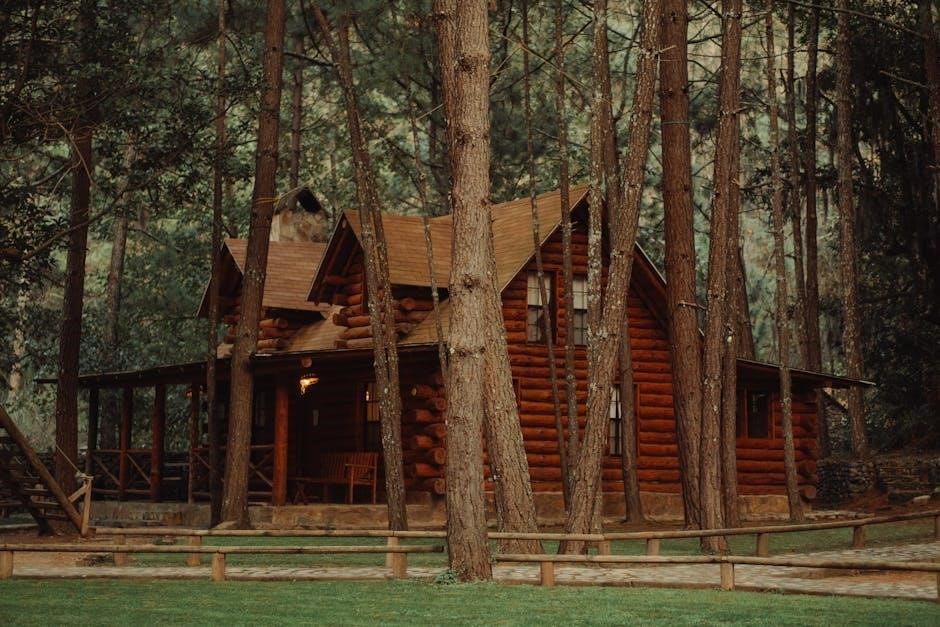
Missing Pieces: Check packaging thoroughly. If truly missing, explore replacement options – mirroring Streamlabs’ support resources.
Interlocking is Key: Lincoln Logs rely on precise interlocking. Like Streamlabs’ platform stability, a solid connection prevents failures. Ensure each log end is fully seated within the groove of the log below.
Triangular Support: Employ triangular structures for maximum strength. This geometric principle, mirroring efficient coding in Streamlabs, distributes weight effectively.
Base Foundation: A wide, stable base is crucial. Just as Streamlabs supports numerous platforms, a strong base supports taller structures.
Weight Distribution: Avoid concentrating weight on single points. Even distribution, like balanced resource allocation in streaming, prevents collapse.
Connector Usage: Utilize connector pieces strategically to reinforce weak points. These act as ‘integrations’ strengthening the overall build.
Log Orientation: Vary log orientation to increase resistance to lateral forces. This dynamic approach, similar to Streamlabs’ adaptive tools, enhances resilience.
Storage is Paramount: Like safeguarding streaming setups with Streamlabs, proper storage protects your logs. Return them to the 100th Anniversary Tin after each use to prevent loss and damage.
Cleaning Procedures: Gently wipe logs with a slightly damp cloth to remove dust. Avoid harsh chemicals, mirroring Streamlabs’ focus on user-friendly tools.
Preventing Splintering: Inspect logs regularly for splinters. Lightly sand any rough edges to maintain smooth surfaces, ensuring continued building enjoyment.
Lost Pieces: While not directly replaced by Streamlabs alerts, explore collector communities (see resources) for potential replacements.
Tin Condition: Keep the tin dry and free from dents. The tin itself is a collectible, deserving preservation like valuable streaming equipment.
Generational Care: Lincoln Logs are designed for longevity. Proper care ensures they can be enjoyed by future generations, much like a stable streaming platform.
Building Foundations: Just as Streamlabs empowers creators, Lincoln Logs build foundational skills in Science, Technology, Engineering, and Mathematics (STEM). Constructing structures requires spatial reasoning and problem-solving.
Engineering Principles: Children intuitively learn about structural integrity, balance, and design while building with logs. This mirrors the technical aspects of successful streaming.
Mathematical Concepts: Counting logs, estimating dimensions, and understanding geometric shapes are inherent in Lincoln Log play, fostering early math skills.
Technological Awareness: While analog, the process encourages a design-build-test cycle, a core principle in technological development.
Creative Problem Solving: Overcoming building challenges fosters resilience and innovative thinking, vital skills for both builders and streamers.
Hands-on Learning: Lincoln Logs provide tactile, hands-on learning experiences, complementing digital STEM resources like those offered through Streamlabs’ community.
Beyond Entertainment: Like Streamlabs elevates broadcasting, construction toys transcend mere play, offering significant developmental benefits. Lincoln Logs, in particular, cultivate crucial cognitive skills.
Spatial Reasoning: Manipulating logs and envisioning structures enhances spatial reasoning abilities, essential for problem-solving in various fields.

Fine Motor Skills: The act of stacking and connecting logs refines fine motor skills and hand-eye coordination, promoting dexterity.
Creative Expression: Construction toys encourage imaginative play and creative expression, allowing children to design and build their own worlds.
Problem-Solving Abilities: Encountering structural challenges and finding solutions fosters critical thinking and problem-solving skills.
Persistence and Patience: Building complex structures requires patience and perseverance, teaching children the value of effort and dedication, mirroring the streamer’s journey.

Early Engineering Concepts: These toys introduce fundamental engineering concepts in an accessible and engaging manner.
Expanding Your Building Horizons: Just as Streamlabs provides tools for streamers, numerous resources exist to enhance the Lincoln Logs building experience. Online communities are vibrant hubs for inspiration and support.
Dedicated Forums: Websites dedicated to classic toys often host Lincoln Logs forums where builders share creations, tips, and troubleshooting advice.
Social Media Groups: Facebook and other social media platforms feature groups specifically for Lincoln Logs enthusiasts, fostering collaboration and idea exchange.
Instructional Videos: YouTube channels showcase building tutorials, ranging from basic structures to complex designs, similar to streaming guides.
Replacement Parts: Several online retailers specialize in replacement parts for vintage toys, ensuring your set remains complete.
Custom Log Creation: For advanced builders, resources exist for creating custom logs and accessories, expanding creative possibilities.
Historical Archives: Accessing historical Lincoln Logs catalogs and advertisements can provide inspiration and insight into the toy’s evolution.
Maintaining Your Legacy: Like Streamlabs offers tools to maintain a broadcast, sourcing replacement parts ensures your Lincoln Logs set endures. Several avenues cater to collectors and builders seeking to restore or expand their sets.
eBay: A vast marketplace frequently lists individual logs, spires, and complete sets, offering a wide selection at varying prices.
Etsy: Specializes in vintage and handmade items, often featuring replacement parts crafted by enthusiasts or sourced from antique collections.
BrickLink: Primarily known for LEGO parts, BrickLink also hosts sellers offering Lincoln Logs components.

Antique Toy Stores: Brick-and-mortar antique stores may carry vintage Lincoln Logs and spare parts.

Online Toy Retailers: Some online retailers specializing in classic toys stock replacement parts and accessories.
Lincoln Logs Collectors Clubs: Clubs often facilitate parts exchanges among members, providing a valuable resource for hard-to-find items.


A Return to Roots: Much like Streamlabs empowers creators to connect with audiences, Lincoln Logs are reconnecting a new generation with classic, tactile play. After periods of fluctuating popularity, Lincoln Logs have experienced a significant resurgence in recent years, mirroring a broader trend towards unplugged toys and STEM-focused learning.
Nostalgia & Parental Influence: Parents who enjoyed Lincoln Logs in their childhood are introducing them to their own children, fostering a sense of nostalgia and shared experience.
STEM Appeal: The construction-based nature of Lincoln Logs aligns with the growing emphasis on Science, Technology, Engineering, and Mathematics (STEM) education.
Collectible Value: The 100th Anniversary Tin, in particular, has become a sought-after collectible, driving renewed interest in the brand.
Marketing & Availability: Increased marketing efforts and wider retail availability have also contributed to the brand’s revival.
A Growing Network: Similar to the thriving communities built around platforms like Twitch and YouTube – powered by tools like Streamlabs – Lincoln Logs enthusiasts are forming dedicated online and offline groups. These communities serve as hubs for collectors, builders, and those simply passionate about the iconic toy.
Online Forums & Social Media: Numerous online forums and social media groups are dedicated to Lincoln Logs, where collectors share information, trade sets, and showcase their creations.
Collecting Focus: Collectors often specialize in specific eras, sets (like the 100th Anniversary Tin), or variations of Lincoln Logs.
Display & Preservation: Many collectors meticulously display and preserve their sets, recognizing their historical and cultural significance.
Events & Meetups: Regional and national toy collecting events often feature Lincoln Logs displays and trading opportunities, fostering a sense of camaraderie among enthusiasts.